मुख्य अंतर्दृष्टि
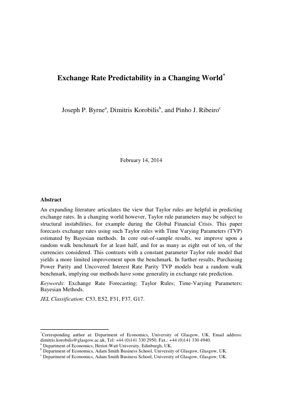
Byrne et al. ने सफलतापूर्वक एक प्रतिमान परिवर्तन हासिल किया। समस्या यह नहीं है कि मौलिक कारक विनिमय दर के लिए महत्वपूर्ण नहीं हैं, बल्कि यह है किउनका महत्व समय के साथ बदलता रहता है।。他们的时变参数贝叶斯框架不仅仅是另一个渐进式的模型调整,它从根本上承认了金融市场是适应性系统,而非静态实验室。真正的突破在于方法论层面:将贝叶斯计量经济学工具(在宏观经济学中因处理参数不稳定性而闻名,如Cogley & Sargent,2005)应用于外汇预测这一棘手问题。
तार्किक संरचना
तर्क प्रक्रिया सुंदर और स्पष्ट रूप से संरचित है: (1) एक ऐतिहासिक पहेली (मीस-रोगॉफ पैराडॉक्स) की स्थापना। (2) एक आशाजनक सैद्धांतिक समाधान (टेलर रूल) पर प्रकाश डालना। (3) व्यवहार में इसकी घातक कमी (पैरामीटर अस्थिरता) की ओर इशारा करना। (4) एक तकनीकी रूप से ठोस उपाय (टाइम-वैरिंग पैरामीटर बेयसियन विधि) का प्रस्ताव रखना। (5) स्पष्ट, तुलनीय अनुभवजन्य परिणामों के माध्यम से पुष्टि करना। समस्या के निदान से लेकर तकनीकी समाधान और फिर अनुभवजन्य सत्यापन तक का प्रवाह अत्यंत प्रभावशाली है।
शक्तियाँ और सीमाएँ
शक्तियाँ: इस पेपर की सबसे बड़ी ताकत कई विफलताओं के बीच इसका अनुभवजन्य सफलता प्राप्त करना है। 10 मुद्राओं में से 5-8 में रैंडम वॉक मॉडल को पछाड़ना एक प्रभावशाली परिणाम है। क्रय शक्ति समता और अनहेज्ड ब्याज दर समता का उपयोग करके किया गया मजबूती परीक्षण एक उत्कृष्ट स्पर्श है, जो इस पद्धति की सार्वभौमिक प्रयोज्यता साबित करता है। तकनीकी रूप से, बेयसियन दृष्टिकोण इस समस्या के लिए सबसे उन्नत विधि है।
कमियाँ और अंतराल: हालाँकि, यह विश्लेषण एक तैयार उत्पाद की बजाय एक उत्कृष्ट प्रूफ-ऑफ-कॉन्सेप्ट की तरह अधिक है। कुछ महत्वपूर्ण व्यावहारिक विवरणों को सतही तौर पर छोड़ दिया गया है: टेलर नियम के मूलभूत तत्वों की विशिष्ट सेटिंग, पूर्व संभाव्यता वितरण का चयन (जो बायेसियन परिणामों को गंभीर रूप से प्रभावित कर सकता है), और कम्प्यूटेशनल भार। इससे भी महत्वपूर्ण बात यह है कि हालांकि इसनेपता चलाअस्थिरता का, लेकिन इसनेव्याख्यानहीं की। किस आर्थिक घटना ने $\beta_t$ में परिवर्तन को ट्रिगर किया? पैरामीटर परिवर्तनों को विशिष्ट नीति तंत्र या अस्थिरता की घटनाओं से जोड़ना व्याख्यात्मक शक्ति को काफी बढ़ा देगा। इसके अलावा, अधिक आधुनिक मशीन लर्निंग बेंचमार्क मॉडल (जैसे रैंडम फॉरेस्ट या लॉन्ग शॉर्ट-टर्म मेमोरी नेटवर्क, जो गैर-रैखिकता और संरचनात्मक विराम को भी संभाल सकते हैं) के साथ तुलना का अभाव है - यह आज किसी भी नए पूर्वानुमान मॉडल के लिए एक अनिवार्य परीक्षण है।
क्रियान्वयन योग्य निहितार्थ
के लिएशोधकर्ताओं: यह पेपर एक रोडमैप है। अगला कदम समय-परिवर्तनशीलता के "ब्लैक बॉक्स" को खोलना है। अनुमानित $\beta_t$ पथ को आश्रित चर के रूप में लेते हुए, यह मॉडलिंग करना कि इस अस्थिरता को क्या चला रहा है (उदाहरण के लिए, अस्थिरता सूचकांक या नीतिगत अनिश्चितता संकेतकों का उपयोग करके)। के लिएक्वांटिटेटिव फंड मैनेजर: मूल विचार क्रियान्वयन योग्य है। सबसे पहले, सरल रोलिंग विंडो या रेजिम स्विचिंग मॉडल को मौजूदा विदेशी मुद्रा संकेतों की मजबूती जांच के रूप में शामिल करें। समय-परिवर्तनशील पैरामीटर अवधारणा हमें लंबी शांत ऐतिहासिक अवधियों में अनुमानित संबंधों पर अत्यधिक निर्भर न रहने की चेतावनी देती है। के लिएनीति विश्लेषक: निष्कर्ष इस बात पर जोर देते हैं कि मौद्रिक नीति से विनिमय दरों तक संचरण तंत्र स्थिर नहीं है। इससे निश्चित-गुणांक अंतरराष्ट्रीय मॉडलों पर आधारित नीति सिमुलेशन के परिणामों के प्रति सतर्क रहना चाहिए।
संक्षेप में, यह पेपर विनिमय दर पूर्वानुमान पहेली को पूरी तरह से हल नहीं करता है, लेकिन यह सही ढंग से उसके मूल भाग: अस्थिरता की पहचान करता है और उस पर प्रहार करता है। यह एक शक्तिशाली और लचीला ढांचा प्रदान करता है जो इस क्षेत्र में एक मानक बेंचमार्क बनने की संभावना रखता है, भविष्य के शोध को अधिक अनुकूली, अधिक यथार्थवादी वित्तीय बाजार मॉडल की दिशा में आगे बढ़ाता है।